
The global food trade has never moved faster or carried greater risks. Every year, U.S. food importers bring in millions of tons of rice, wheat flour, pulses, sugar, edible oils, and dry fruits to keep grocery shelves, restaurant kitchens, and manufacturing lines stocked. Behind every one of those shipments is a decision that matters more than most people realize: which agro supplier to trust.
Selecting the wrong supplier rarely announces itself upfront; it surfaces later, in delayed containers and inconsistent quality. The right partner, in the best possible way, tends to disappear into the background: shipments are on time, quality is consistent and margins are predictable. That reliability over time becomes the basis of a business relationship worth building upon for years to come.
1. Consistent, Verifiable Quality
Quality in agricultural commodities isn’t a one-time checkbox, it’s a standard that has to hold up shipment after shipment. A container of Basmati rice that’s fragrant and uniform in one batch but starchy and broken in the next isn’t just an inconvenience; it’s a threat to your brand and your customer relationships.
Importers should ask suppliers hard questions:
- How is quality tested at the source?
- Who inspects the produce before it’s packed?
- Is there a paper trail of lab reports, moisture readings, and grading certificates that backs up every claim?
A supplier that can answer these questions confidently and back them up with documentation is one worth building a relationship with.
2. Sourcing Transparency and Farmer Relationships
The best agro-commodities start long before they reach a warehouse they start in the field. Suppliers who work directly with trusted farmers and dependable growers tend to offer more consistency than those who buy opportunistically from whichever market has the lowest price that week.
Ask where the product actually comes from. Ask how long the supplier has worked with that region or that grower network. A company that can trace its rice back to specific growing regions, or its edible oils back to a known press, is a company that can also trace problems back to their source and fix them.
3. Compliance With International Standards
U.S. food importers operate under strict regulatory frameworks, from FDA food safety requirements to labeling and packaging rules. Any agro supplier worth considering must understand and comply with international quality benchmarks, such as ISO certifications and other recognized food safety standards.
This isn’t just about avoiding fines at the port. Non-compliant shipments get held, rejected, or destroyed, and that kind of disruption ripples through an entire supply chain. A supplier with a demonstrated track record of meeting these standards reduces that risk significantly.
4. Packaging That Matches Your Market
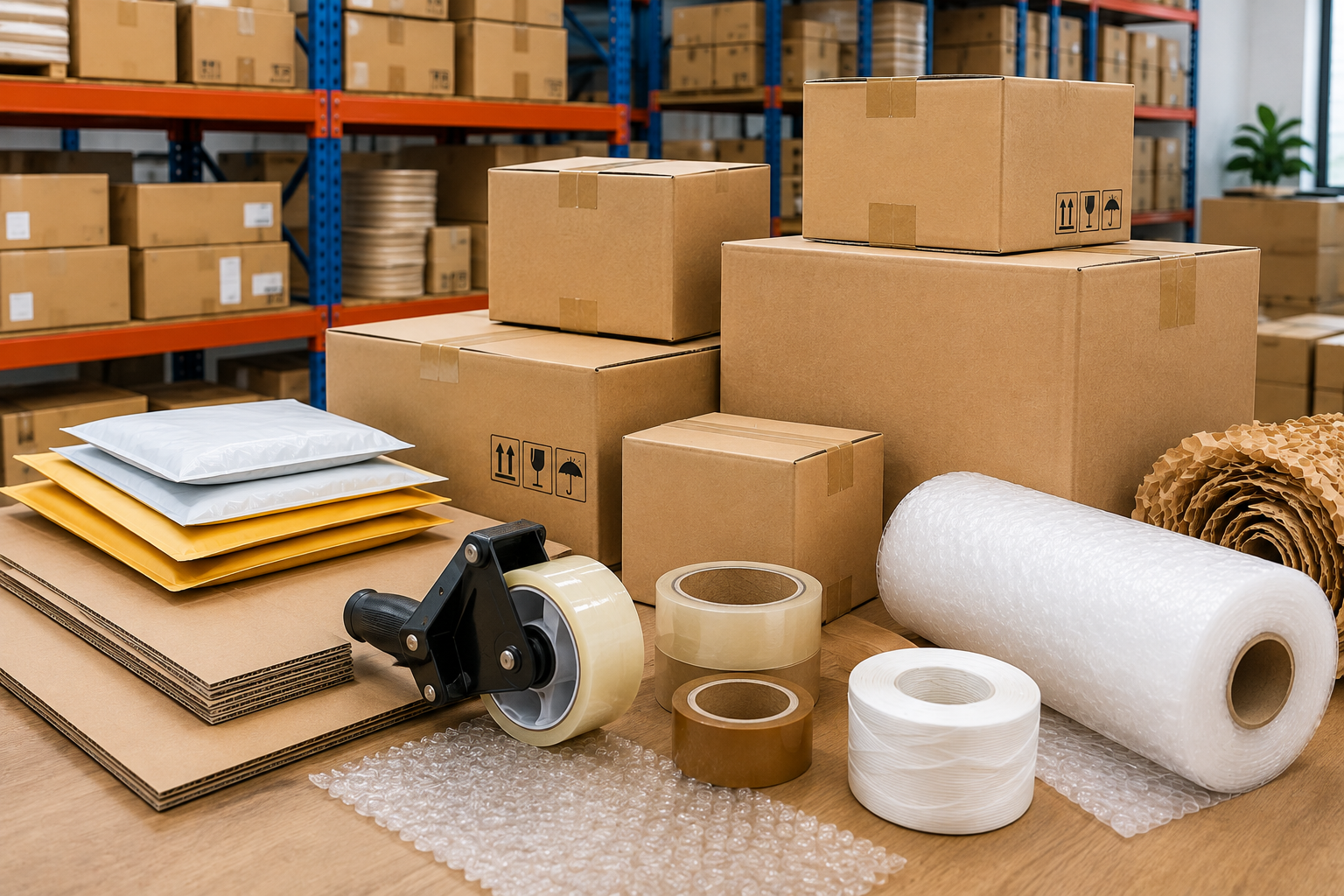
Packaging is often an afterthought, but it shouldn’t be. Rice, flour, pulses, sugar, oils, and dry fruits all have different handling, moisture, and shelf-life requirements, and the right packaging protects that product from the farm all the way to the shelf. A supplier offering flexible packaging formats from small retail-ready bags to bulk industrial quantities gives importers the ability to serve different customer segments without juggling multiple vendors.
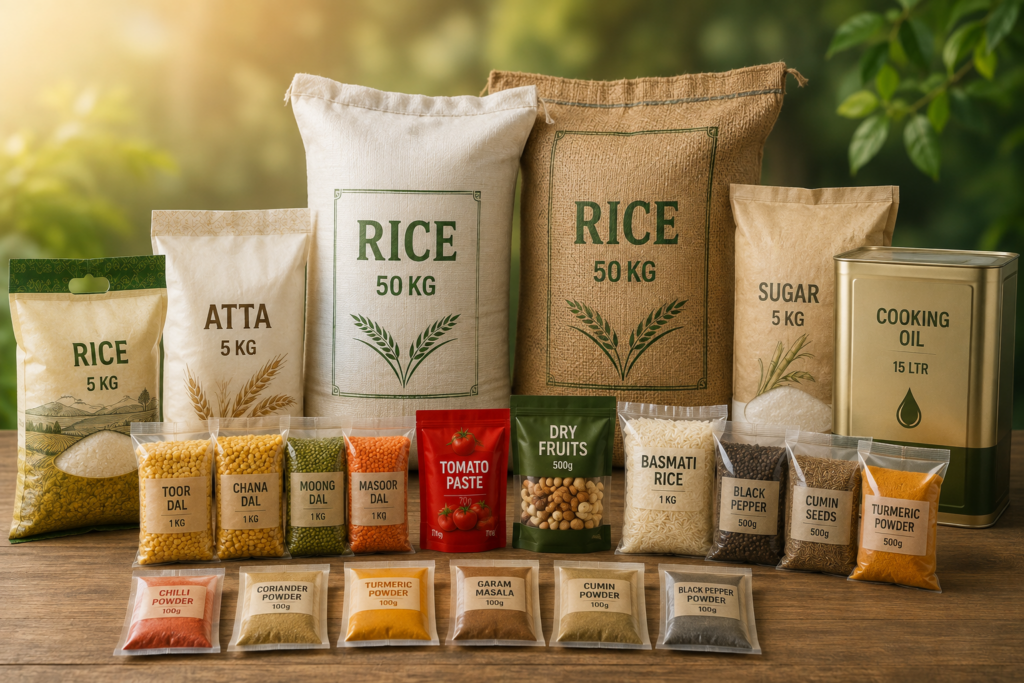
This is one of the areas where established suppliers like Zairyo+ stand out. Our agro products span everything from 5 kg retail rice bags to 50 kg bulk sacks and from small tomato paste sachets to 10 kg catering tins, giving importers the flexibility to match packaging to exactly where the product is headed.
5. Logistics and Reliability
Even the highest-quality product is worthless if it doesn’t arrive on time. Importers need suppliers who understand international shipping customs documentation, freight forwarding, container scheduling, and the countless details that can hold up a shipment at any point along the way.
A supplier with genuine global reach and established logistics partnerships can absorb disruptions that would sink a smaller, less experienced operation. Ask about lead times, shipping history, and how the supplier handles delays or customs issues when they inevitably arise.
6. A Trusted Company with a Proven Track Record
Finally, it’s worth looking past the sales pitch and evaluating the company itself. How long have they been in business, and what kind of presence do they have across major trade hubs? A genuine, established operation looks very different from one where agro sourcing is just a side addition to something else.
Suppliers with experience across multiple categories packaging, chemicals, manufacturing, and agroproducts tend to bring a broader understanding of supply chains, not just knowledge of a single commodity. asking a few minutes to review a supplier’s background and history, such as Zairyo+, can help importers make more informed decisions and avoid costly mistakes later on.
Summary:
When it comes to purchasing agro-commodities for sale in the U.S. market, cost is not all that counts. It’s also about having a dependable partner who supplies the required quality and has good logistics to back it up. Importers who use these criteria to rigorously evaluate their suppliers are protecting their financial interests, but their reputation and relationships with their customers. If one container is delayed or rejected, it can cost thousands of dollars and weeks of goodwill. That’s why doing your due diligence is not an option, it is the foundation of a successful import business. If you’re looking for a reliable sourcing partner for agricultural products, contact Zairyo Plus to discuss your requirements and sourcing needs.